Shim-pack SR-C30 (G), 3um, 4.0x20, 5pcs

Part Number: 227-31218-06

Column Name: SR-C30

Particle size (µm): 3

ID (mm): 4

Length (mm): 20

USP: L62

Functional Group: C30

Mode: Reversed Phase

Type: Guard column

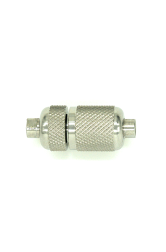
Guard Column Holder: S227-31172-04

Pore size (nm): 12

Surface Area (m2/g): 200

Carbon Load (%): 19

PH range: 2 - 7.5

Pressure Tolerance (MPa): 103

Pack size: 1

Lead Time: 4 - 6 weeks

High Isomer Separation Capability

The long C30 chains of the SR-C30 provide hydrophobic retention capacity and responsiveness to structure, enabling clear separation of isomer peaks that have insufficient resolution when run on C18 columns. That makes it the perfect column for analyzing isomers of retinoic acid or aldehydes regulated by U.S. Environmental Protection Agency (EPA) 8315A or the Japanese Offensive Odor Control Law.


Analyzing Retinoic Acid Isomers  

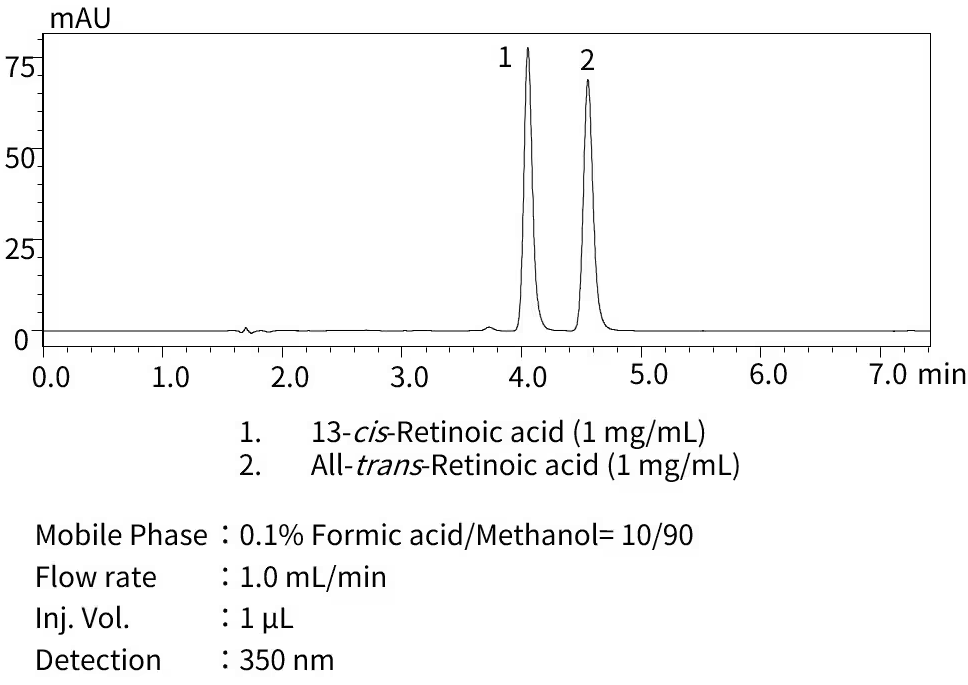
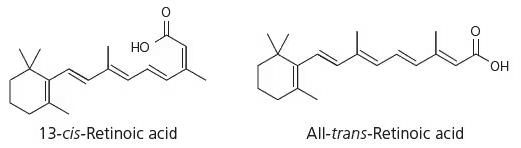
Although geometric isomers of retinoic acid, such as all-trans, 9-cis, and 13-cis, can be separated using a typical C18 column, sufficient resolution is not always achieved due to their similar hydrophobic and structural properties. Here, a baseline separation of all-trans and 13-cis-retinoic acid isomers using a Shim-pack SR-C30 column is shown.


Simultaneous Analysis of Six Aldehydes Specified in the Offensive Odor Control Law

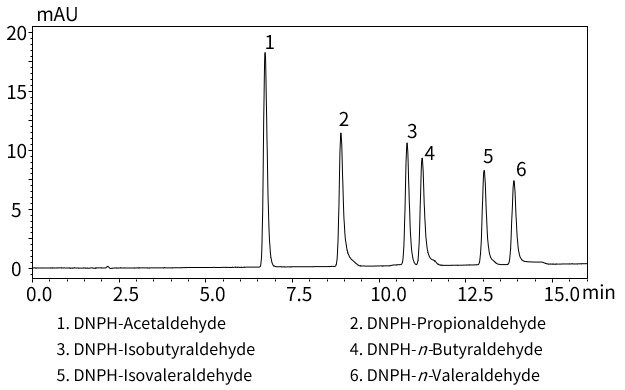
The Offensive Odor Control Law*1 specifically designates 22 substances as offensive odors. Here, results from an analysis of six DNPH-derivatized aldehydes specified as offensive odor substances (Table 1) are shown

Table 1: Six Aldehydes Specified in the Offensive Odor Control Law
  • Acetaldehyde
  • n-butyraldehyde
  • n-valeraldehyde
  • Propionaldehyde
  • Isobutyraldehyde
  • Isovaleraldehyde
 

*1) Ministry of the Environment Methods for Measuring Specific Offensive Odor Substances—Attached Table 4
(Described in only Japanese, April 1, 2026)


Recommended Products

Shim-pack SR-C30 3µm, 4.6x100mm

Part No.: 227-31218-01

Shim-pack SR

High Isomer Separation Capability The long C30 chains of the SR-C30 provide hydrophobic retention capacity and responsiveness to structure, enabling clear separation of isomer peaks that have insufficient resolution when run on C18 columns. That makes it the perfect column for analyzing isomers of retinoic acid or aldehydes regulated by U.S. Environmental Protection Agency (EPA) 8315A or the Japanese Offensive Odor Control Law.   Analyzing Retinoic Acid Isomers   Although geometric isomers of retinoic acid, such as all-trans, 9-cis, and 13-cis, can be separated using a typical C18 column, sufficient resolution is not always achieved due to their similar hydrophobic and structural properties. Here, a baseline separation of all-trans and 13-cis-retinoic acid isomers using a Shim-pack SR-C30 column is shown.         Simultaneous Analysis of Six Aldehydes Specified in the Offensive Odor Control Law The Offensive Odor Control Law*1 specifically designates 22 substances as offensive odors. Here, results from an analysis of six DNPH-derivatized aldehydes specified as offensive odor substances (Table 1) are shown Table 1: Six Aldehydes Specified in the Offensive Odor Control Law Acetaldehyde n-butyraldehyde n-valeraldehyde Propionaldehyde Isobutyraldehyde Isovaleraldehyde   *1) Ministry of the Environment Methods for Measuring Specific Offensive Odor Substances—Attached Table 4 (Described in only Japanese, April 1, 2026)    

View product
Shim-pack SR-C30 3µm, 4.6x150mm

Part No.: 227-31218-02

Shim-pack SR

High Isomer Separation Capability The long C30 chains of the SR-C30 provide hydrophobic retention capacity and responsiveness to structure, enabling clear separation of isomer peaks that have insufficient resolution when run on C18 columns. That makes it the perfect column for analyzing isomers of retinoic acid or aldehydes regulated by U.S. Environmental Protection Agency (EPA) 8315A or the Japanese Offensive Odor Control Law.   Analyzing Retinoic Acid Isomers   Although geometric isomers of retinoic acid, such as all-trans, 9-cis, and 13-cis, can be separated using a typical C18 column, sufficient resolution is not always achieved due to their similar hydrophobic and structural properties. Here, a baseline separation of all-trans and 13-cis-retinoic acid isomers using a Shim-pack SR-C30 column is shown.         Simultaneous Analysis of Six Aldehydes Specified in the Offensive Odor Control Law The Offensive Odor Control Law*1 specifically designates 22 substances as offensive odors. Here, results from an analysis of six DNPH-derivatized aldehydes specified as offensive odor substances (Table 1) are shown Table 1: Six Aldehydes Specified in the Offensive Odor Control Law Acetaldehyde n-butyraldehyde n-valeraldehyde Propionaldehyde Isobutyraldehyde Isovaleraldehyde   *1) Ministry of the Environment Methods for Measuring Specific Offensive Odor Substances—Attached Table 4 (Described in only Japanese, April 1, 2026)    

View product
Shim-pack SR-C30 5µm, 4.6x150mm

Part No.: 227-31218-03

Shim-pack SR

High Isomer Separation Capability The long C30 chains of the SR-C30 provide hydrophobic retention capacity and responsiveness to structure, enabling clear separation of isomer peaks that have insufficient resolution when run on C18 columns. That makes it the perfect column for analyzing isomers of retinoic acid or aldehydes regulated by U.S. Environmental Protection Agency (EPA) 8315A or the Japanese Offensive Odor Control Law.   Analyzing Retinoic Acid Isomers   Although geometric isomers of retinoic acid, such as all-trans, 9-cis, and 13-cis, can be separated using a typical C18 column, sufficient resolution is not always achieved due to their similar hydrophobic and structural properties. Here, a baseline separation of all-trans and 13-cis-retinoic acid isomers using a Shim-pack SR-C30 column is shown.         Simultaneous Analysis of Six Aldehydes Specified in the Offensive Odor Control Law The Offensive Odor Control Law*1 specifically designates 22 substances as offensive odors. Here, results from an analysis of six DNPH-derivatized aldehydes specified as offensive odor substances (Table 1) are shown Table 1: Six Aldehydes Specified in the Offensive Odor Control Law Acetaldehyde n-butyraldehyde n-valeraldehyde Propionaldehyde Isobutyraldehyde Isovaleraldehyde   *1) Ministry of the Environment Methods for Measuring Specific Offensive Odor Substances—Attached Table 4 (Described in only Japanese, April 1, 2026)    

View product
Shim-pack SR-C30 5µm, 4.6x250mm

Part No.: 227-31218-04

Shim-pack SR

High Isomer Separation Capability The long C30 chains of the SR-C30 provide hydrophobic retention capacity and responsiveness to structure, enabling clear separation of isomer peaks that have insufficient resolution when run on C18 columns. That makes it the perfect column for analyzing isomers of retinoic acid or aldehydes regulated by U.S. Environmental Protection Agency (EPA) 8315A or the Japanese Offensive Odor Control Law.   Analyzing Retinoic Acid Isomers   Although geometric isomers of retinoic acid, such as all-trans, 9-cis, and 13-cis, can be separated using a typical C18 column, sufficient resolution is not always achieved due to their similar hydrophobic and structural properties. Here, a baseline separation of all-trans and 13-cis-retinoic acid isomers using a Shim-pack SR-C30 column is shown.         Simultaneous Analysis of Six Aldehydes Specified in the Offensive Odor Control Law The Offensive Odor Control Law*1 specifically designates 22 substances as offensive odors. Here, results from an analysis of six DNPH-derivatized aldehydes specified as offensive odor substances (Table 1) are shown Table 1: Six Aldehydes Specified in the Offensive Odor Control Law Acetaldehyde n-butyraldehyde n-valeraldehyde Propionaldehyde Isobutyraldehyde Isovaleraldehyde   *1) Ministry of the Environment Methods for Measuring Specific Offensive Odor Substances—Attached Table 4 (Described in only Japanese, April 1, 2026)    

View product